





Description
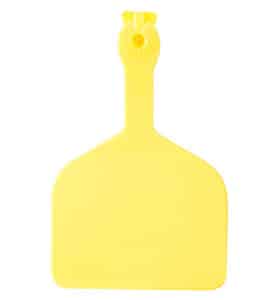
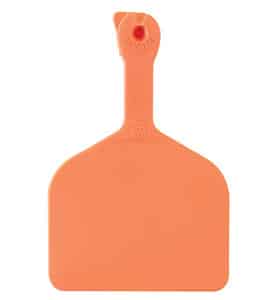
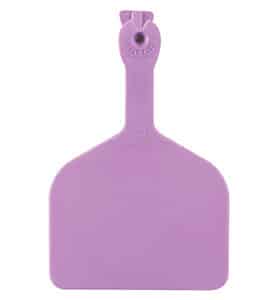
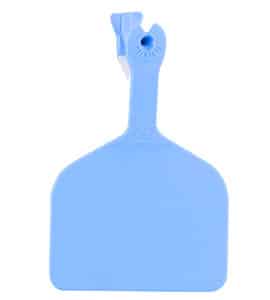
The Z Tag Feedlot Tags are primarily used for livestock identification and are designed with specific features to ensure both efficiency and safety.
Tag Design & Material
- Single-Piece Tag: Z Tags are a one-piece design, making them more durable and easier to apply compared to multi-piece tags. The simplicity of the design also reduces the chances of tag components breaking or being lost.
- Durable Materials: Made from high-quality plastic, Z Tags are designed to withstand the rough environment of feedlots, which includes exposure to dirt, rain, and handling by livestock.
- A standout feature of the Z Tag is its surgical cutting tip. The cutting tip is designed to make a clean incision in the ear of the animal. This design helps to minimize the risk of infection and reduce the chances of the animal developing complications like abscesses or other diseases that can be caused by poorly applied tags.
- Hygienic and Safe: The clean cut prevents additional trauma to the tissue, which can be a concern with more traditional ear tagging methods. This reduces the risk of disease transmission among animals in a herd.
- Z Tags are specifically marketed as a low-cost solution for livestock identification. This makes them a great option for short-term use, such as during feedlot operations or live export.
- The Z Tag Feedlot tags are designed to be quick and easy to apply. The process is straightforward and minimizes the amount of time each animal needs to be handled, reducing stress on both the animals and the workers.
- The tags are lightweight, so they don’t add unnecessary weight to the animal’s ear, which can be a concern with some heavier tags.
Custom Printing Options
- Laser Printing: Z Tags can be laser-printed with custom information, such as numbers, barcodes, or logos. This allows for easy identification and tracking of animals, which is especially useful in large-scale operations or for compliance with regulatory standards in live export.
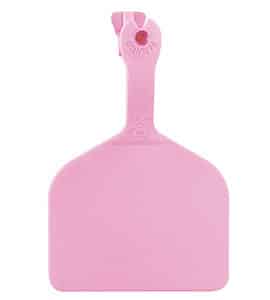
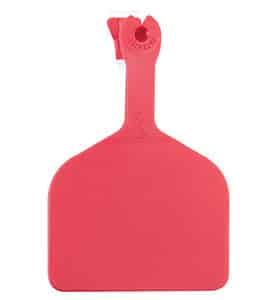
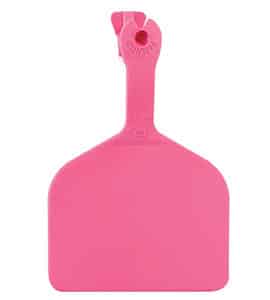
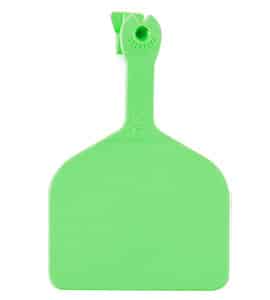
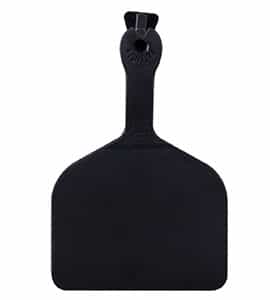
- Colour Variety: The tags are available in up to 13 different colours, which helps differentiate between groups of animals, ages, or breeds. This color-coding can also be useful for easy identification when animals are being moved between different locations or used in specific breeding programs.
Suitability for Live Exporters
- Z Tags are particularly recommended for live exporters because they offer a quick and cost-effective way to mark animals for transport. In some regions, live exports require specific types of identification for traceability, and these tags can help meet those requirements.
- Their clean design also reduces the likelihood of tag failure, which can be critical for maintaining accurate records during the export process.
Use in Feedlots
- Feedlot operations can benefit from the easy-to-apply and low-cost nature of Z Tags. These tags provide a quick way to identify animals, which is vital for managing herd health, tracking feeding and growth rates, and ensuring compliance with health and safety standards.
- Their short-term suitability also makes them ideal for animals that will be in the feedlot for a specific period, ensuring they can be tracked effectively without the need for more permanent tagging solutions.
Application Using Z1 No Snag Tagger™
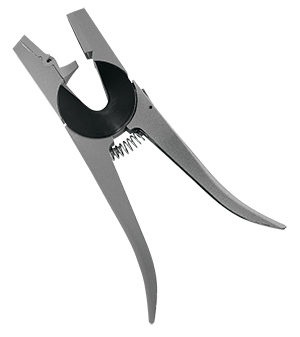
- The Z1 No Snag Tagger™ is an easy-to-use applicator tool specifically designed to work with Z Tags. The tagger ensures that the tag is applied quickly and effectively, minimizing any discomfort to the animal.
- The no-snag design means that the tagger won’t catch on the animal’s skin or fur, reducing the risk of injury or stress during the tagging process.
Z Tag Feedlot tags are an excellent choice for feedlot operators, live exporters, and anyone in need of a cost-effective, quick, and reliable tagging solution for livestock. With features like a surgical cutting tip, easy application, and customization options, they provide both safety for the animals and efficiency for the handlers.
How long will my order take to arrive?
Approximately 10 to 14 business days from the date the order is processed.
This will vary during the year, with each manufacturer, if printing is required and Australia Post. During peak times of the year, it can be as long as 3-4 weeks.
Approximate delivery times:
- Metro delivery within 3-5 business days
- Regional delivery within 7-10 business days
- Remote delivery within 14-20 business days
Please refer to the Lead Times for our Manufacturers for current print times.